

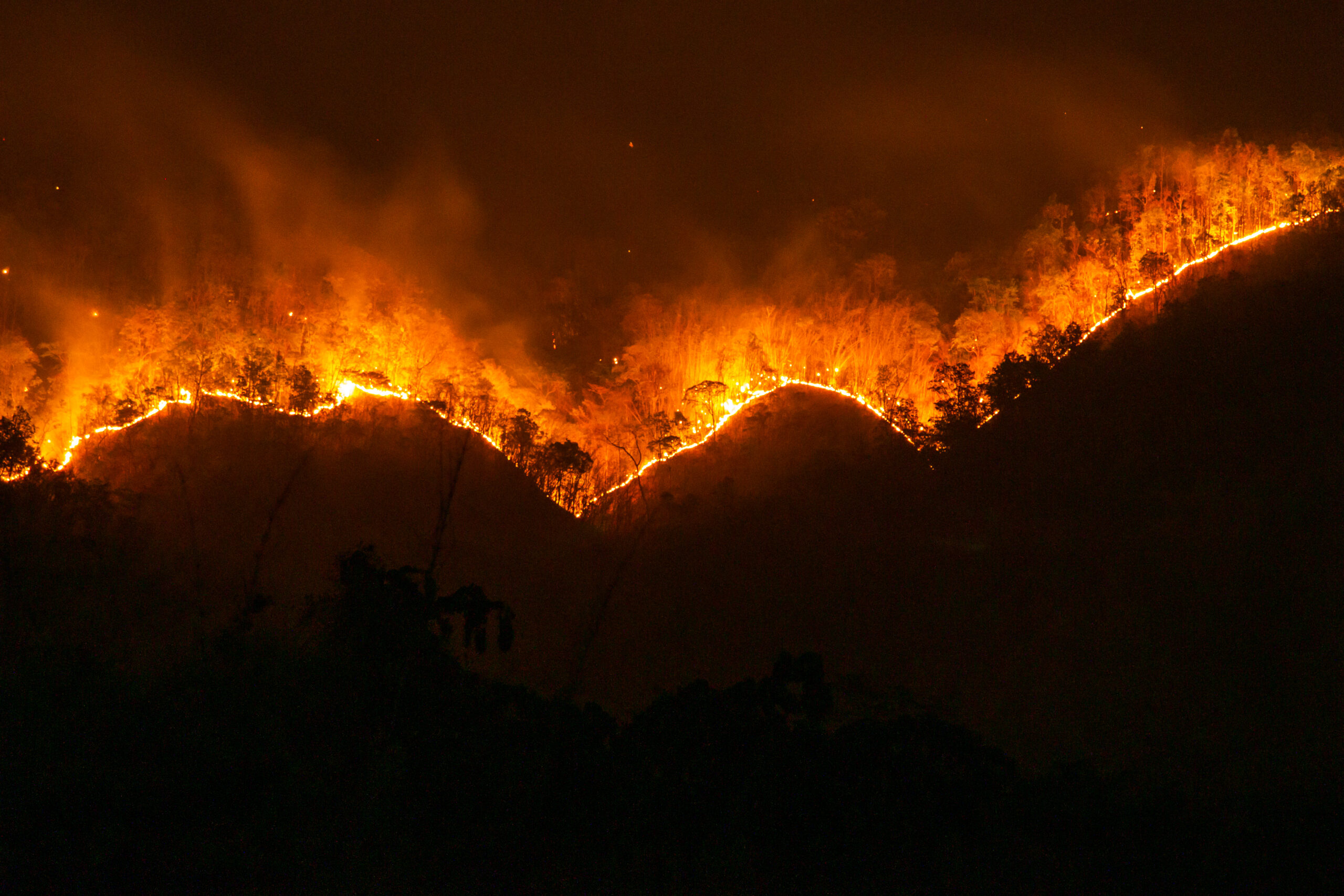
Canada’s alarming wildfire season is a stark reminder of the grave consequences of climate change, warn experts. Yet, the narrative in some online spheres diverts blame to far-fetched causes, from space lasers to secret government agendas.
Fringe as these theories may be, their widespread circulation on social media platforms presents a worrying trend. For many, these simplistic explanations offer a way to process the chaos and destruction, like the devastating wildfires in British Columbia or the Hawaiian island of Maui.
Eric Kennedy from York University points out, “Conspiracy theories often present a straightforward culprit — be it influential figures or global organizations — simplifying a complex situation.” These narratives appeal to those searching for clarity amidst the chaos.
While conspiracy theories have deep historical roots, Kawser Ahmed from the University of Winnipeg emphasizes that they often distort a grain of truth to stoke emotions and capture attention. The immediate aftermath of major events, filled with uncertainty, provides fertile ground for such speculations to take root.
However, the real-world implications are profound. Cliff Chapman from BC Wildfire Service revealed the emotional toll on firefighters. “After arduous shifts, our teams find themselves confronted by baseless accusations and negative comments online. It deeply affects their morale,” Chapman shared.
Moreover, these conspiracy narratives can dangerously sway those directly impacted by the wildfires. Ahmed warns, “Displaced individuals, already grappling with immense stress and possible disillusionment with authorities, may find solace in these theories. The fallout? An increased mistrust in institutions and law enforcement.”
Scientific consensus attributes the heightened intensity of Canada’s wildfire season to climate change. Yet, as Ahmed remarks, it’s often simpler to sell narratives of eco-terrorism or rogue arsonists than to acknowledge the vast implications of a changing climate.
The rapid spread of conspiracy theories in today’s digital age, amplified by social media algorithms, exacerbates the issue. As someone delves into one misleading article, they’re often presented with more of the same, trapping them in a loop of misinformation.
Timothy Caulfield from the University of Alberta pinpoints the allure: “Misinformation that incites fear, aligns with certain ideologies, and is digestible garners the most traction.”
Chris Russill of Carleton University champions the role of journalism as an antidote to such conspiracy-driven narratives. He laments the decline of local news coverage and criticizes platforms like Meta for blocking news content in Canada, giving conspiracy theories more room to flourish.
Kennedy cautions that such misinformation can undermine communal trust and potentially deter adherence to vital evacuation orders.
Addressing this challenge, he says, demands comprehensive strategies. Apart from individuals exercising due diligence in their information sources, institutions must work proactively to establish public trust. “It’s about fostering genuine, trusted relationships, rather than mere fact-checking campaigns,” he underscores.
As Chestermere and the wider Canadian community face the brunt of climate change, accurate information and unity in action remain our most potent defenses.
Provincial News
Chestermere Grapples with Wildfire Misinformation.Unraveling Fact from Fiction
29 August 2023